Unleashing Whimsy: A Creative's Guide to Funny Unicorn
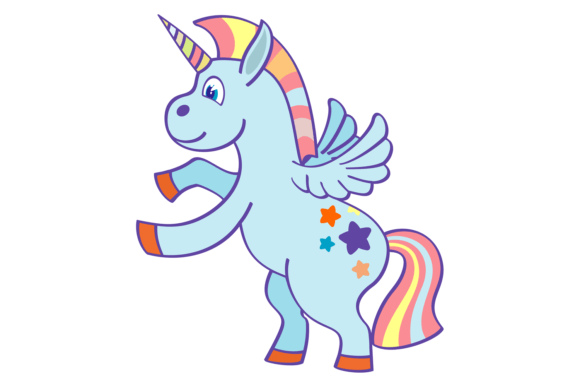
There is a specific moment in a design project where you realize a standard sans serif or a serious serif font simply won't cut it. You are working on a project that demands personality, a touch of magic, and a sense of playfulness that standard corporate typography cannot provide. This is exactly where Funny Unicorn steps in. As a fantasy animal and magic fairytale creature brought to life through letterforms, this typeface isn't just a set of characters; it is a design asset that injects immediate energy into your work.
I have seen countless creative assets come across my desk, but the Funny Unicorn display font stands out because it understands its audience. It appeals to the whimsical side of design without sacrificing the technical requirements of modern publishing. Whether you are a designer looking for a premium font to complete a client project, or an entrepreneur building a brand identity for a children’s line, understanding the nuances of this typeface is crucial for success.
The Visual Personality: More Than Just a Font
When we talk about Funny Unicorn, we aren't discussing a rigid, geometric typeface. The visual style of this fantasy animal inspired font leans heavily into the characteristics of a handwritten font or a script font, depending on the specific weight you choose. The letterforms often feature irregular baselines and playful swashes that mimic the movement of a unicorn in motion. It captures the essence of a magic fairytale creature, offering a sense of fluidity and joy that rigid fonts lack.
The appeal lies in its versatility as a creative font. It is often found in formats like transparent PNG, SVG, or EPS, which tells you a lot about its intended use. It is designed to be isolated on a white background or layered over complex imagery without creating visual clutter. The visual hierarchy it creates is immediate; when you use Funny Unicorn, it instantly becomes the focal point. It commands attention not through boldness or weight, but through its unique character shape and the emotional response it triggers in the viewer.
Where This Magic Fairytale Creature Thrives
Identifying the right context for a display font like Funny Unicorn is half the battle. Because it is a fantasy animal in the world of typography, it is best suited for projects that require high engagement and emotional connection. Here is where I have seen this typeface deliver the best results:
- Branding and Logo Design: If you are launching a brand in the toy industry, a bakery, or a children’s entertainment service, this font serves as a fantastic primary logomark. It communicates fun and safety immediately.
- Packaging Design: For products like candy, craft supplies, or party favors, Funny Unicorn adds a tactile quality to the box. It suggests that the product inside is special and handcrafted.
- Social Media Graphics: In the fast-scrolling world of Instagram or TikTok, a standard serif font gets ignored. A bold, whimsical creative font stops the scroll. It is perfect for announcements, sale banners, and story highlights.
- Editorial Design: While not suitable for body text, it works wonders for drop caps, pull quotes, or chapter headers in lifestyle magazines or young adult fiction.
- Crafting and Hobby Projects: For the hobbyist working with Cricut or Silhouette machines, having access to SVG and PNG versions means you can easily apply this design asset to t-shirts, mugs, and decals.
Strategic Application: Influence on Brand Perception
Typography is psychology in visual form. The typeface you choose for your web design or print collateral tells your audience how to feel about your brand before they read a single word of the copy. Choosing Funny Unicorn signals that your brand is approachable, imaginative, and perhaps a bit rebellious against the mundane.
However, this comes with a caveat regarding readability. As a display font, Funny Unicorn is optimized for impact, not for long-form reading. If you try to use this typeface for your website’s navigation or a 500-word blog post, you will frustrate your users. The eyes tire quickly when reading complex, decorative scripts in large blocks. Instead, use it to establish the visual hierarchy. Let the headers scream with personality, and then pair it with a highly legible sans serif font or a modern serif font for the body copy. This contrast creates a dynamic rhythm in your layout.
Practical Guidance for Designers and Entrepreneurs
If you are considering integrating Funny Unicorn into your toolkit, here is my practical advice based on years of working with premium fonts:
- Evaluate the Project Fit: Be honest about the project's tone. If you are designing for a law firm, this is not the font. If you are designing for a fantasy-themed event or a pediatric clinic, it is perfect.
- Test Your Font Pairings: Do not just drop the font into a blank canvas. Test it against your secondary typeface. I find that Funny Unicorn pairs beautifully with geometric sans serif fonts. The clean lines of the sans serif allow the intricate details of the unicorn font to shine without competing for attention.
- Review the File Formats: A high-quality font package should offer more than just .OTF or .TTF files. Look for the vector formats (SVG, EPS) if you plan on doing large scale print design, and transparent PNGs for quick digital mockups.
- Check Commercial Licensing: This is a critical step for small business owners. Ensure that the license for the Funny Unicorn typeface covers commercial use. Whether you are selling merchandise or using it in client work, you need legal peace of mind.
Elevating Your Content Strategy
In a digital landscape saturated with generic templates, using a distinct fantasy animal font like Funny Unicorn is a strategic move. It aids in brand recognition. When your audience sees that specific playful swirl on a thumbnail, they know it is your content before they even see your name.
For content creators and bloggers, this typeface acts as a bridge to your audience. It breaks down the barrier of corporate stiffness. It says, "We are here to have fun." Whether you are using it for a podcast cover, a YouTube thumbnail, or the header of your weekly newsletter, it adds a layer of professional polish that generic system fonts cannot match.
Ultimately, Funny Unicorn is more than just a novelty. It is a tool for storytelling. It allows you to weave a narrative of magic and whimsy into your brand identity. By respecting its nature as a display font and pairing it intelligently, you can transform a standard project into something truly memorable. It is about finding the balance between the magical aesthetic of a fairytale creature and the practical needs of modern design.