Cute Animal Back to School Clipart: Design Assets for Creative Projects
The Visual Appeal of Adorable Academic Animals
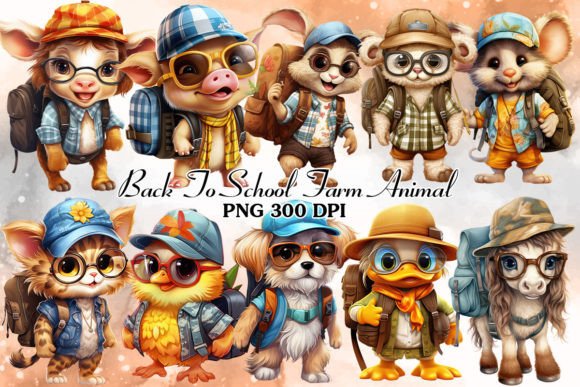
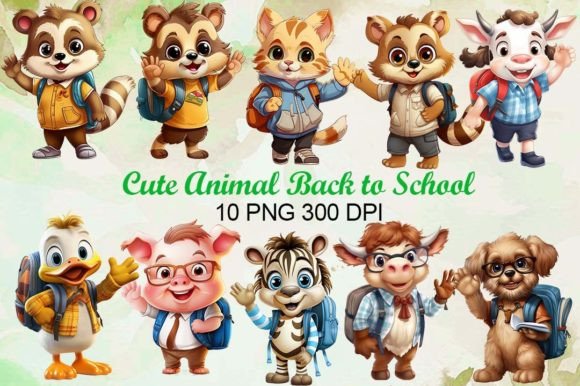
There's something genuinely delightful about combining the innocence of cute animals with the structured excitement of back-to-school season. Cute Animal Back to School Clipart captures this perfectly—think cheerful pandas with tiny backpacks, studious owls wearing glasses, or playful foxes holding pencils. These aren't generic cartoon animals; they're thoughtfully designed characters with expressive faces, soft color palettes, and that unmistakable blend of whimsy and purpose.
What makes these clipart designs stand out is their versatility in style. The illustrations typically feature clean lines with enough detail to feel premium without becoming cluttered. You'll notice rounded shapes, friendly proportions, and subtle shading that gives each character dimension. The back-to-school accessories—notebooks, rulers, lunchboxes, apple motifs—feel integrated rather than slapped on as afterthoughts. This cohesion matters when you're incorporating these assets into professional projects where every visual element needs to earn its place.
Real-World Applications Across Industries
As someone who's worked with countless design assets over the years, I can tell you that clipart like this finds its way into more projects than you'd initially expect. Teachers and educators obviously gravitate toward these designs for classroom materials, bulletin boards, and educational worksheets. But the applications extend far beyond traditional school settings.
Small business owners in the children's products space regularly use cute animal clipart for packaging design, product labels, and marketing materials. A children's bookstore might feature these characters on tote bags and bookmarks. A kids' clothing brand could incorporate them into hang tags and social media graphics. Bloggers writing about parenting, education tips, or family activities often need engaging visuals that don't require hiring an illustrator for every post—this is where quality clipart becomes invaluable.
The sublimation market deserves special attention here. If you're creating custom products—t-shirts, mugs, pillows, tote bags—having high-resolution PNG files with transparent backgrounds at 3000 x 3000 pixels and 300 DPI means you're working with genuinely print-ready assets. That resolution handles everything from small stickers to larger format prints without pixelation or quality loss. For entrepreneurs running print-on-demand shops or crafters selling at local markets, this technical specification eliminates the guesswork around whether designs will reproduce cleanly on physical products.
Working With Digital Clipart Files Effectively
Here's practical advice from years of working with design assets: always organize your files immediately after downloading. Create a logical folder structure—perhaps by theme, project, or client—and keep the original ZIP files as backups. Since these are digital downloads requiring unzipping on a computer, establishing good file management habits from the start saves significant headaches later.
The transparent PNG format is particularly valuable for designers because it allows seamless layering in any editing software. Whether you're working in Adobe Illustrator, Photoshop, Canva, Procreate, or even free alternatives like GIMP, transparent backgrounds mean you can drop these cute animal characters onto any surface—colored backgrounds, photographs, patterned papers—without awkward white boxes or time-consuming masking work.
Pairing Clipart With Typography for Brand Consistency
When incorporating Cute Animal Back to School Clipart into branded materials, font pairing becomes essential. The playful, approachable nature of these illustrations typically pairs well with friendly sans serif fonts or rounded typefaces. Avoid overly formal serif fonts that might clash with the whimsical character designs. For headers or accent text, a handwritten font or script font can complement the casual, fun aesthetic—just ensure readability remains your priority, especially for smaller text sizes.
Consider how the clipart influences your overall visual hierarchy. If you're designing a party invitation, the animal characters might serve as focal points while typography handles the informational content. For product packaging, the clipart could frame or accentuate your brand logo rather than competing with it. The key is establishing clear roles for each design element so the final composition feels balanced rather than busy.
Evaluating Quality and Licensing Considerations
Before committing to any design asset collection, examine the consistency across the entire bundle. Do all the characters share similar proportions, color temperatures, and line weights? Cohesion matters enormously when you're using multiple illustrations within a single project or across a brand's visual identity. Inconsistent styles—even subtle differences—can make finished work feel disjointed and unprofessional.
Commercial licensing deserves careful attention. Understand exactly what's permitted: Can you use these designs on physical products you sell? Are there quantity limitations? Can you modify the illustrations? Most reputable clipart providers allow commercial use on tangible goods, but specifics vary. Read the licensing terms thoroughly before incorporating these assets into revenue-generating projects. When in doubt, contact the seller directly—clarity upfront prevents legal complications down the road.
Testing your clipart at actual production size before committing to a full print run is another practical recommendation I'd emphasize. What looks charming on screen might lose detail or impact when reduced to a small sticker size, or conversely, might reveal imperfections when scaled up for a poster. Print a test piece, evaluate the colors against your expectations, and adjust your design approach accordingly.
Building Creative Projects With Confidence
The back-to-school season generates enormous demand for themed content across education, retail, and publishing sectors. Having reliable, high-quality cute animal clipart in your design toolkit means you can respond to that demand quickly without sacrificing visual standards. Whether you're a content creator building seasonal social media campaigns, a crafter preparing inventory for fall markets, or a designer developing materials for an education-focused client, these assets provide genuine creative flexibility.
What ultimately makes Cute Animal Back to School Clipart valuable isn't just the charming illustrations themselves—it's the creative possibilities they unlock when combined with thoughtful design strategy, appropriate typography, and clear project goals. Approach these assets as building blocks within larger visual systems, and they'll serve your projects well across multiple seasons and applications.