Crocodile Footprint. Safari Wild Animal: A Primal Mark for Modern Design
In the vast world of design assets, finding a visual element that carries immediate narrative weight is a significant advantage. The Crocodile Footprint. Safari Wild Animal is not merely a collection of lines; it is a primal symbol that evokes the raw, untamed power of nature. When you look at this graphic, you aren't just seeing a track in the mud—you are seeing the presence of an apex predator. For designers, marketers, and content creators, this specific footprint offers a unique tool for conveying strength, stealth, and an adventurous spirit. It serves as a bridge between the modern digital landscape and the ancient, rugged terrains of the wild.
Visual Anatomy and Design Versatility
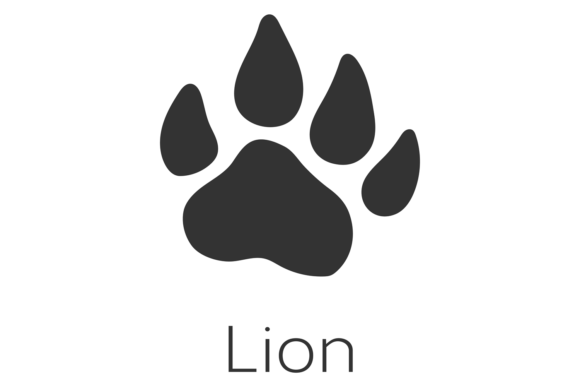
The visual language of a crocodile footprint is distinct and complex. It typically features a wide, robust central pad with five distinct toe impressions, often showing the impression of claws. In the context of the Safari Wild Animal asset—whether rendered as an EPS, JPG, SVG, or transparent PNG—these characteristics are emphasized to ensure they read clearly at various scales. The style often leans into a "black mark isolated on white background" aesthetic, which is crucial for versatility. This high-contrast look ensures that the graphic retains its integrity whether it is used as a subtle texture on packaging design or as a bold centerpiece in a logo design.
For graphic designers, the availability of this asset in vector formats like SVG and EPS is a game-changer. It allows for infinite scalability without loss of resolution, making it perfect for everything from a small favicon on a website to a massive billboard. The transparent PNG format, on the other hand, is invaluable for quick mockups and social media graphics where the footprint needs to be layered over photography or complex backgrounds. The personality of the graphic is inherently organic; it doesn't have the rigid geometry of a sans serif font or the flow of a script font, yet it commands attention with the same authority as a bold display font.
Strategic Applications in Branding and Marketing
Integrating a visual like the Crocodile Footprint into a project requires a strategic mindset. It is not just about filling white space; it is about defining a tone. For entrepreneurs and small business owners, particularly those in sectors like outdoor apparel, wildlife conservation, travel blogging, or extreme sports, this asset can become a cornerstone of their brand identity. Imagine a rugged, textured business card where the crocodile footprint acts as a watermark—it instantly communicates durability and resilience. In editorial design, such as a magazine spread about survival skills or nature photography, the footprint can be used as a dynamic graphic separator or a pull-quote background, adding depth to the visual hierarchy.
Furthermore, this graphic works exceptionally well in conjunction with typography. When pairing this asset with fonts, consider the contrast. A sharp, modern typography set in a clean sans serif font can provide a contemporary counterpoint to the primal nature of the footprint. Conversely, pairing it with a rough, textured script font or a handwritten font can amplify the rustic, safari vibe. The key is to ensure that the footprint does not compete with the legibility of your text but rather supports the overall narrative. It is a premium font-style asset in terms of utility—it demands respect and careful placement to maximize its impact on audience engagement.
Technical Considerations and Best Practices
When working with the Safari Wild Animal footprint, practical considerations come into play. First, evaluate the weight of the mark. A heavy black footprint can easily dominate a layout if not balanced with negative space. If you are using this for web design, ensure that the file size of the vector or high-resolution PNG is optimized for fast loading times without sacrificing the crispness of the edges.
For those in the crafting and hobbyist space, such as scrapbooking or custom merchandise, the isolated nature of the image makes it easy to cut out using digital tools like Cricut or Silhouette machines. The distinct edges of the toes and claws require precision, which is why a high-quality vector source file is always recommended over a compressed JPG for physical production.
Ultimately, the Crocodile Footprint. Safari Wild Animal is a versatile design asset. It bridges the gap between the natural world and commercial application. By understanding its visual weight and symbolic meaning, creators can use it to tell stories of adventure, survival, and the raw beauty of the wild, ensuring their projects leave a lasting impression much like the creature itself.